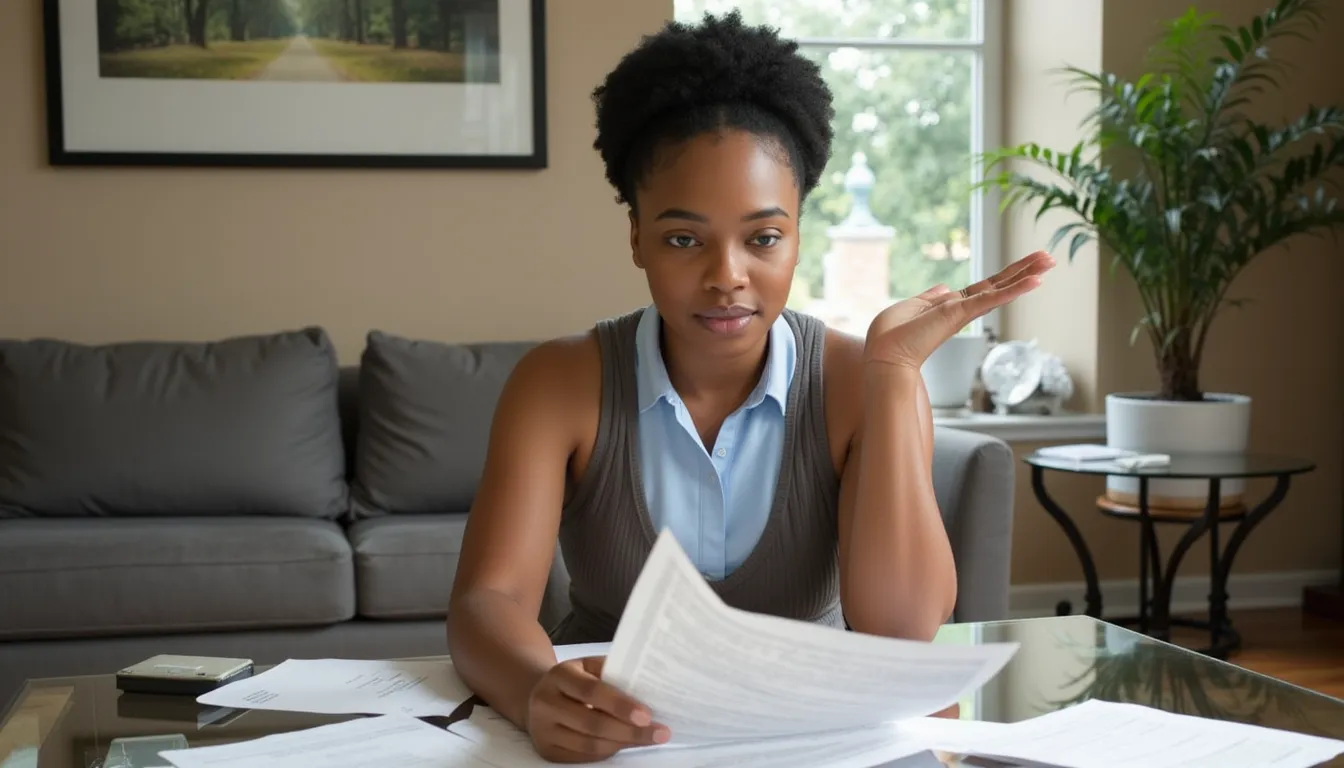
Why Fighting Bias in AI Image Generation Matters — And How TruTones.ai Leads the Way
Updated December 03, 2025
Artificial intelligence has given us some incredible creative tools. With a single prompt, we can generate product photos, branding assets, social media images, even entire worlds that never existed before. But as powerful as AI image generation has become, it also brings a responsibility we can't ignore:
AI inherits the biases of the data it’s trained on — unless we actively fight them.
As the founder of an AI image platform, I see this issue up close. And the more creators rely on AI, the more important it becomes to have honest conversations about fairness, representation, and the influence these models have on how people see themselves.
So let’s talk about it.
AI Models Learn From Us — The Good and the Bad
Every AI image model is trained on massive datasets: photos, drawings, illustrations, stock images, scanned content from the internet, and more. These datasets reflect the world — and not always in the way we’d like.
If the training data over represents certain:
skin tones
genders
body types
cultural backgrounds
professions
stereotypes
…then the default output of the model will also over represent them.
That’s how we end up with prompts like “CEO” defaulting to a white male, or “nurse” defaulting to a woman. It’s not because the model “decided” to be biased — it learned those associations from the patterns it saw most often.
Unless we challenge those patterns, they get repeated, reinforced, and normalized.
Why This Matters for Creators, Businesses, and Everyday Users
AI images are no longer a novelty. They show up in:
marketing campaigns
job ads
educational material
entertainment
social media
news-style content
personal creativity
If the underlying models produce biased results, then the images we share and amplify will continue to skew how people are represented.
For creators and businesses, that means:
You may unintentionally exclude your audience.
Your brand can look outdated, careless, or insensitive.
You limit your creative range without realizing it.
But the biggest issue?
People deserve to see themselves represented accurately and fairly.
Technology should expand representation — not shrink it.
Bias Isn’t Just Ethical — It Affects Quality, Too
Bias isn’t just a “fairness” issue. It’s a quality issue.
A biased model is predictable.
Predictable models are less creative.
Less creative models produce weaker output.
If you always get the same types of faces, the same styles, the same defaults, your creative potential is artificially capped.
Fighting bias isn't just the right thing to do.
It literally makes the model better.
How TruTones.ai Approaches Bias Differently
From day one, TruTones.ai was built with a simple belief:
Everyone deserves to see themselves represented in the images they create.
Here’s what we actively do to push against entrenched bias:
1. A More Inclusive Training Process
Our custom finetuned models are trained on a carefully curated, globally diverse dataset. This includes variation in:
skin tones
face shapes
genders
hairstyles
clothing styles
cultural cues
This helps the AI avoid defaulting into one single “look.”
2. Balanced Prompts Built Into the System
Certain prompt structures trigger biased outputs in most models.
We counter them with balancing instructions under the hood so users get more accurate, fairer results without having to over-engineer their prompts.
3. A User-Centric Correction Loop
When users flag biased or inaccurate outputs, we put them into a retraining pipeline.
This feedback actually strengthens the model and reduces bias over time.
4. Transparency in How the Model Behaves
We aim to make it clear how the model interprets prompts.
The more people understand how AI “thinks,” the easier it is to spot bias and correct it.
5. Empowering Users to Choose Representation
We don't force a particular “look” on you.
We let you control:
skin tone
ethnicity
gender expression
style
framing
cultural elements
Your creativity — your voice — comes first.
Biased Models Create a Biased Future
The images we generate today shape what people expect tomorrow.
If AI continues to reflect the same narrow lenses we’ve seen for decades, nothing changes.
But if we intentionally build AI models that represent the full spectrum of humanity, we set a new standard:
One where every creator has equal creative power.
One where representation isn't an afterthought.
One where AI becomes a tool for inclusion, not exclusion.
This Is Why TruTones Exists
TruTones.ai wasn’t created just to generate beautiful images — although it absolutely does that.
It’s being built to:
raise the standard for accuracy
strengthen representation
push back against bias
give users control
make AI creativity more human
This is just the beginning.
If you’re building a brand, telling a story, or simply experimenting with image generation, you deserve an AI that sees the world the way it actually is — diverse, colourful, and full of possibility.
And that’s exactly what we’re creating.
TruTones Editorial
Empowering authentic AI art for all